
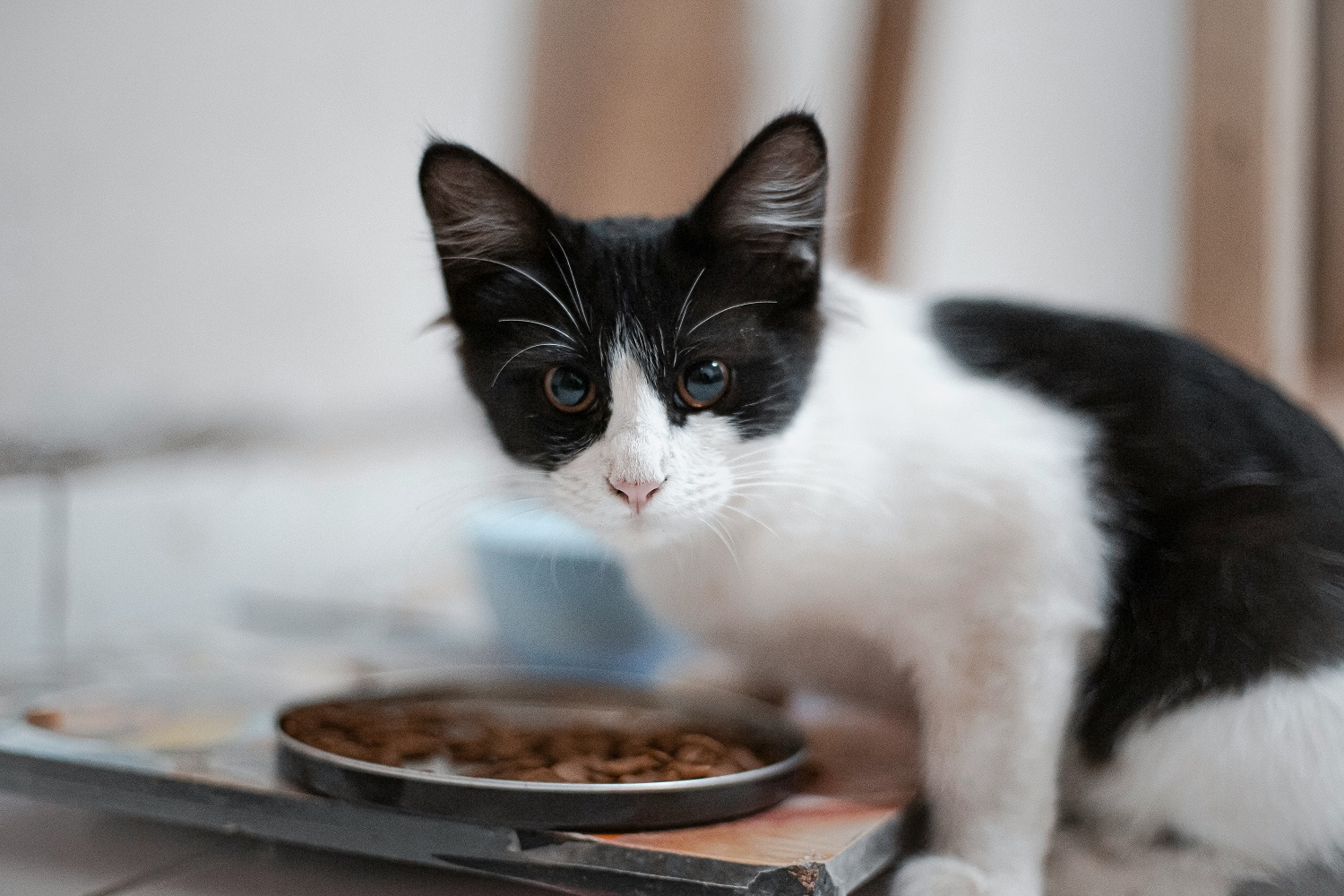
New cat owners often spend plenty of time choosing toys, scratching posts, and cozy beds, but nutrition deserves just as much attention. The food a kitten eats during the first year helps support healthy growth, strong bones, brain development, and a resilient immune system. Arizona's hot, dry climate also makes hydration an important part of daily care. Building good feeding habits from the beginning can help your cat stay active and healthy for years to come.
Start With the Right Nutrition During kitten season
Every spring and summer, shelters and rescues across Arizona welcome an influx of young cats during kitten season. Many families decide to adopt during this time, making it the perfect opportunity to learn what kittens actually need at mealtime.
A growing kitten has different nutritional requirements than an adult cat. Look for foods specifically labeled for growth or for all life stages. These formulas contain the protein, fat, vitamins, and minerals necessary to support rapid development. High quality animal protein should appear near the top of the ingredient list because cats are obligate carnivores that rely on meat for essential nutrients.
Wet food offers several advantages, particularly in Arizona's desert climate. Because canned food contains significantly more moisture than dry kibble, it helps support hydration while providing excellent nutrition. Many veterinarians recommend including at least some wet food in a kitten's daily diet, even if dry food remains part of the feeding routine.
Young kittens also benefit from multiple small meals throughout the day instead of one or two large servings. Frequent meals better match their fast metabolism and steady energy needs. As your kitten approaches adulthood, you can gradually reduce the number of daily feedings while adjusting portion sizes.
Should You Feed Raw Food?
Many new pet owners ask, can cats eat raw beef? The short answer is yes, because beef is an excellent source of high quality animal protein, which cats are naturally designed to digest. Protein supports muscle development, healthy organs, energy levels, and overall growth, making it one of the most important parts of a feline diet.
That said, raw beef should be offered thoughtfully. Fresh, high quality beef that has been handled and stored properly is a better choice than meat of uncertain origin. Raw beef also should not become the entire diet on its own because cats need additional nutrients, including calcium, taurine, vitamins, and minerals that are found in complete and balanced cat foods or carefully formulated raw diets.
Many owners choose to include raw beef as part of a balanced feeding plan rather than as the only food their cat eats. When prepared safely and combined with complete nutrition, it can be a valuable addition that provides the animal protein cats naturally thrive on.
Choose Foods That Support Long Term Health
It is easy to become overwhelmed by colorful packaging and marketing claims. Instead of focusing on trendy labels, pay attention to nutritional quality and ingredient balance.
Protein remains the foundation of a healthy feline diet. Moderate amounts of healthy fats provide energy while supporting skin, coat, and brain function. Essential nutrients like taurine cannot be produced in sufficient amounts by cats, so they must be included in complete cat foods. A deficiency can lead to serious health problems over time.
Avoid making frequent food changes unless necessary. Sudden diet switches often cause digestive upset, especially in younger kittens with sensitive stomachs. If you decide to introduce a different food, mix increasing amounts of the new food with the current one over several days until the transition is complete.
Fresh water should always be available. Arizona's warm weather increases the importance of hydration throughout the year. Some cats drink more readily from water fountains because the circulating water stays fresh and appealing. Encouraging good drinking habits can support kidney and urinary tract health as your pet grows older.
Treats Should Stay Treats
Treats can strengthen your bond with your new kitten, but moderation matters. Many commercial treats are calorie dense and should make up only a small portion of the overall diet.
Cooked, unseasoned chicken or turkey can work as an occasional reward. Avoid foods prepared with onions, garlic, excessive salt, or heavy seasoning because these ingredients may be harmful to cats. Dairy products are another popular misconception. Although many people picture cats happily drinking milk, many adult cats have difficulty digesting lactose, which can lead to stomach upset.
Human foods should never replace complete cat food. Nutritional deficiencies often develop gradually, making them difficult to recognize until health problems appear. Consistency with a balanced diet gives kittens the best opportunity to grow into healthy adult cats.
Regular veterinary visits also help ensure your kitten maintains an appropriate weight. Your veterinarian can recommend portion adjustments as your cat grows and becomes more or less active throughout different life stages.
Build Healthy Feeding Habits From Day One
Creating a healthy routine benefits both you and your kitten. Feed meals at consistent times, wash food and water bowls regularly, and monitor your kitten's appetite. Changes in eating habits sometimes provide one of the earliest signs that something is wrong.
Avoid leaving unlimited food available all day unless your veterinarian specifically recommends free feeding. Scheduled meals make it easier to monitor food intake and help prevent overeating as kittens mature. Measuring portions with a proper measuring cup instead of estimating also helps maintain a healthy weight.
Take time to observe what your kitten enjoys while still prioritizing balanced nutrition over preferences alone. A little planning early on often prevents feeding challenges later. By choosing complete, high quality foods, encouraging hydration, and offering treats in moderation, Arizona pet owners can give their newest family member an excellent nutritional foundation. A healthy diet is one of the simplest investments you can make in your kitten's future, and those good habits can provide benefits for many happy years ahead.
